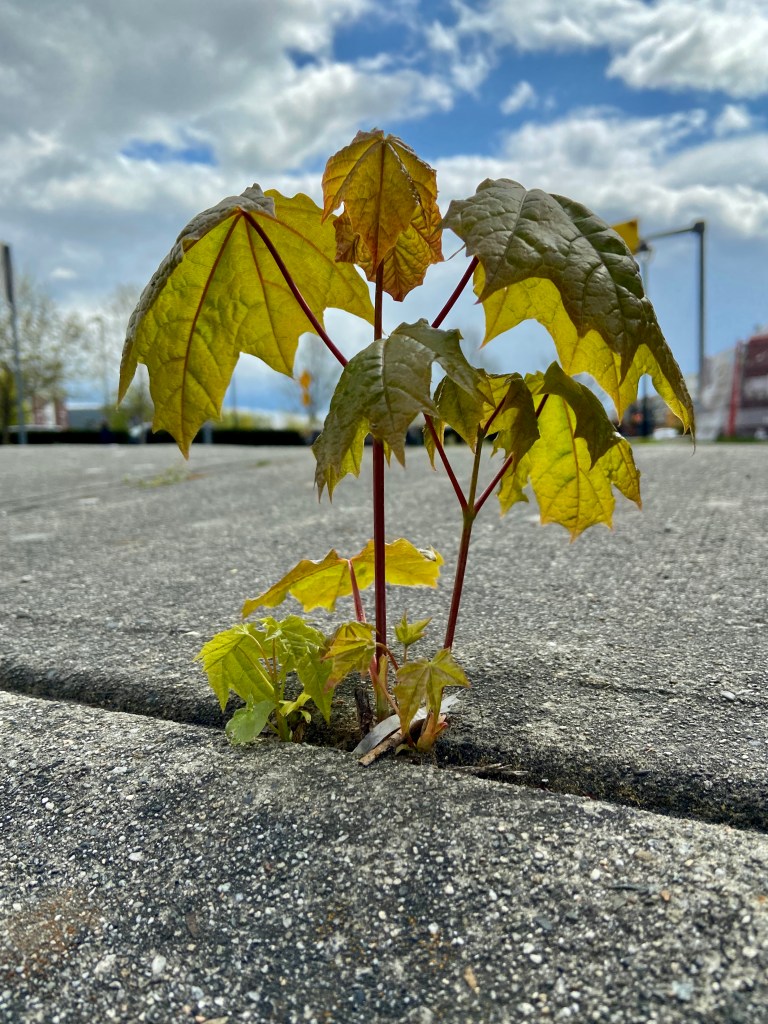
“That which does not kill me makes me stronger. “
It’s a fact of life that, at some point, we will all encounter adversity and loss that will challenge our opinion of ourselves and our faith in the future. When that happens, the question we ask is “why do some people seem to overcome those difficulties with ease where others struggle to regain their footing?”
The Oxford Dictionary defines resilience as “the capacity to recover quickly from adversity“. Psychologists who study resilience have differing definitions but all have one thing in common – the idea that resilience is a process of coping with adversity in a way that leads to adaptation and competence. Gone are the days when it was believed some people were born invulnerable to stressors. We recognize now that resilience isn’t something we have or don’t have, it’s something we can build.
Our ability to be resilient often stems from our experience in early childhood that create the framework for how we see the world. How we respond to adverse events can affect both our mental and physical health, particularly if we feel we lack control over the situation. When our resilience is low, we may spend time ruminating on what went wrong, placing blame on others, or turning to addictive behaviours to cope with the pain and loss. We may also internalize the outside events, blaming ourselves, leading to depression, anxiety and a slew of stress-related health issues.
Researchers have identified a number of factors that are common with people who are considered resilient. Given the potential for negative impacts on our mental and physical health, knowing our strengths in any of these areas and building on them can be the difference between thriving and simply surviving when faced with adversity.
A Positive Attitude
Having a positive attitude doesn’t mean that we don’t experience sadness, anger or frustration in the face of adversity. It means acknowledging the situation for what it is – a single event that may be difficult in the moment. It is not something that defines who we are or the course of our lives. A positive attitude allows us to look beyond the immediate and focus on what actions we can take to create a better outcome.
A Flexible Mindset
When we face adversity, we have a choice in how we view the events. Having a flexible mindset allows us to consider the situation and reframe the events from a more positive perspective, what some might call looking for the silver lining. For example, a job loss might be an opportunity to return to school to pursue a long lost passion or take the step into entrepreneurship. The loss of a loved one can help remind us how important it is to appreciate the small moments and not stress about the little things. When we reframe the events with a positive outlook, we’re able to find the lesson and incorporate it into our existing mindset.
Core Beliefs
Our core beliefs determine how we navigate the world around us. These include our values and character that determine how we perceive and interpret events. Often heard in the stories of prisoners of war is a refusal to lose their humanity in the face of inhumane actions. The foundations of their character – faith, hope, compassion, and honesty – are things that couldn’t be taken and helped them to survive the atrocities they faced. While we’re not likely to ever be POW’s, having a strong foundation, whether based on religious teachings or a moral compass can help us navigate difficult situations in our lives.
Resilient Role Models
We all love the feel-good movies that tell the real life stories of unsung heroes who have overcome hardship to reach their goals. Having a role model, whether a celebrity or another person in your life who has overcome challenges, can offer inspiration, ideas and solutions to the problems we face ourselves.
Ability to Face Fear
Did you know you can be innoculated against fear? By exposing ourselves to adversity where the consequences of failure might be minimal, we are able to build our resiliency a step at a time. When we face our fears and work to overcome them, we develop confidence in ourselves, reframe failure as an opportunity , and increase our resilience in the face of the unknown.
Clear Goals
Resilient people often have clear goals that they work towards daily. They recognize that the challenges they face in pursing those goals are opportunities to think creatively and reach out for collaboration and assistance. When we’re facing adversity, a clear and specific goal can ground us and help us focus on the steps we need to take to move beyond the immediate situation to where we want to be.
A Supportive Social Network
The one factor that has the most positive impact in study after study on resilience is having a strong social network to rely on when things go wrong. Having warm, accepting, and supportive relationships allow us a place to be honest with our struggles, to receive strength when we’re weak, gain advice and guidance when we’re unsure of our path, and assure us that we will get through with “a little help from our friends.”
Adversity is an inevitable in life. How we manage through adversity is up to us. Take a moment to consider your own level of resilience and where you might want to improve your ability to thrive beyond adversity.
Do not judge me by my success,
Nelson Mandela
judge me by how many times I fell down and got back up again.
Life Lessons from Camino de Santiago
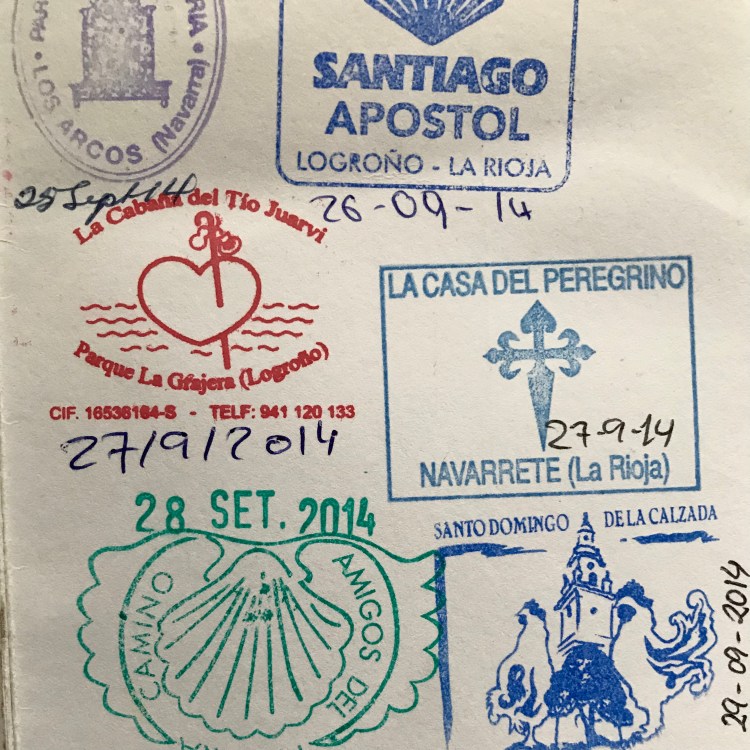
Lesson # 9 – Find Your Family
When I left for Camino, my intention was to walk alone, only to discover it can be hard to be alone on Camino. The first night, I dined with two men who saw me sitting alone in the restaurant and invited me to join them. All pilgrims and bouyed by the excitement of starting a new journey, we shared a meal and our thoughts on what Camino might bring.
It was the beginning of a journey that would see us meet and part many times over the course of 5 weeks. During that time, we each walked with others along the road, eventually joining our individual little groups until we were 9.
We were an odd collection ranging in age from 18 to 72, from five different areas of the world, speaking six languages, each with our own reasons for embarking on the pilgrimage. During the long days, we talked, discovering each other’s story. We supported each other, encouraged each other, learned from each other, and celebrated together. And, on occassion, we were lovingly told the truth we needed to hear even if we didn’t want to hear it. By the time we reached Burgos, we had become a family.
Family isn’t always blood. Family is the people in your life who accept you for who you are. Who have your back. Who cheer you on. Who celebrate your success and encourage you when you stumble. Who don’t let you give up and hold you to account. Family is made up of those who challenge you to be your best self.
Think about the people in your life. Who do you consider YOUR family?
When everything goes to hell, the people who stand by you without flinching,
Jim Butcher
they are your family.
Books We Love

When the Body Says No:
The Cost of Hidden Stress by Gabor Maté
Can you think yourself into sickness? Can you worry yourself into disease? In “When the Body Says No”, Dr. Gabor Maté combines his experience as a physician with individual case histories and clinical studies to create a thoughtful and thought-provoking look at the connection between our emotions and our health.
With the goal of exposing the impacts of our modern society on mental and physical health, Maté explores the effects of hidden stress caused by the repression of emotions or blurring of boundaries on the potential to develop disease within the body. He then poses the question – is it possible to reverse the damage done with a change of mindset?
Well written, engaging and easy to read, “When the Body Says No” is a must read for anyone interested in improving and maintaining their health.
Thank you for visiting! If you’ve enjoyed what you read, please like, share or join the conversation in the comments. Or contact me directly here. I’d love to get your feedback!
 JEANNE M WALSH COACHING