Make sure that the walls you build to protect yourself don’t become your prison.
yung pueblo
Tearing Down the (Emotional) Walls
It was in 1987 that President Ronald Reagan uttered his famous words, “Mr. Gorbachev, tear down this wall.” The Berlin wall had existed for 26 years, dividing a city, as well as friends and families, creating a physical barrier to connection.
Walls have a place in our history. During the middle ages, walled cities protected against attack and provided security to the population. Safety – both physical and emotional – is one of the fundamental human needs.
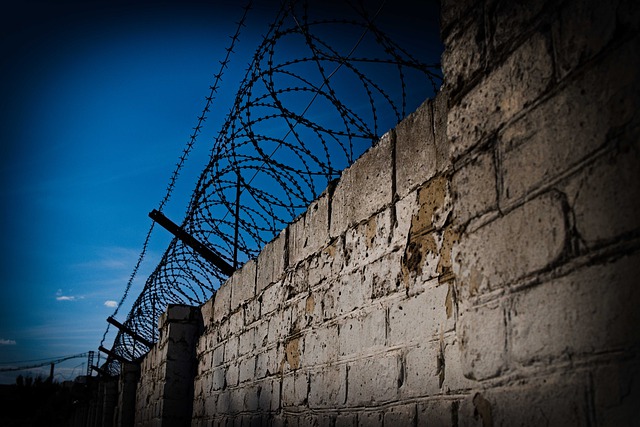
It’s no wonder, then, that people build emotional walls around themselves for much the same reason. Often erected in childhood, they served the purpose of protecting the child from what was at the time unbearable pain. The pain may have stemmed from physical or mental abuse. It may stemmed from abandonment, neglect or unmet needs. At some point, boundaries were violated and connection to the primary caregiver was lost. The world became a dangerous place. The child felt threatened and closed themselves off in order to protect themselves against the pain and, in some cases, further abuse.
Adults may build walls after a painful breakup where trust has been violated or when grieving the death of an intimate partner. Having allowed themselves to be vulnerable and been hurt, they made a choice, whether conscious or not, to protect themselves from experiencing that same kind of pain again.
Some may have a deep seated belief they are not worthy of love or connection and self-sabotage by putting up walls to prevent anyone from getting close, only to feel justified in their belief when the relationship fails. The walls are used to perpetuate a self-fulfilling prophecy.
Emotional walls can be beneficial. They allow time to evaluate an unfamiliar situation or a new person to determine whether or not they can be trusted. During periods of loss or grief, they allow for the opportunity to process and heal.
The problem comes when the walls remain long after the threat is gone. While the walls people build can protect them from hurt, they also serve to isolate that person from authentic connection and intimacy. When that happens, they are unable to develop healthy and lasting relationships.
How do you know when the emotional walls have become a hindrence as opposed to a help?
- When you feel threatened by casual questions about your life or activities.
- When you feel the need to control the outcome of situations in order to prevent yourself getting hurt. This may translate into lying or witholding information you think might lead to rejection.
- When you get angry or defensive when others question your walls, privacy or detachment.
- When you cut people out of your life if they get too close.
- When the idea of allowing yourself to be open and vulnerable creates panic, causing you to retreat from others.
- When you are unable to appreciate the moment you are in or the person you are with without fearing something bad is about to happen.
- When you are unable to maintain a healthy relationship.
Maintaining walls can carry an emotional toll, leading to anxiety, depression, anger and conflict. When the walls become too heavy to carry, there are ways to open yourself back up.
- Understand that the walls you have were necessary at a certain period in your life and you have no reason to be ashamed.
- Recognize that they no longer serve their original purpose and are now causing you harm.
- Talk to a therapist who can help you explore the reasons behind your emotional walls.
- Get comfortable with your emotions. Take time throughout the day to focus internally and ask “what am I feeling?” Pay attention to the thoughts surrounding the feeling.
- Challenge your perceptions to determine if the threat you sense is real or a reaction to a deep held belief. Ask questions to clarify if you are unsure.
- Practice opening up in a safe environment with someone you know and trust.
- Build your self-confidence. When you know who you are and what you’re capable of, you have no reason to hide yourself.
While there is no expectation anyone has to be an open book, taking small steps to open up and allow yourself to be vulnerable can improve your relationships, your mental health and your sense of connection in the world.
Vulnerability is the only bridge to connection.
Brené Brown
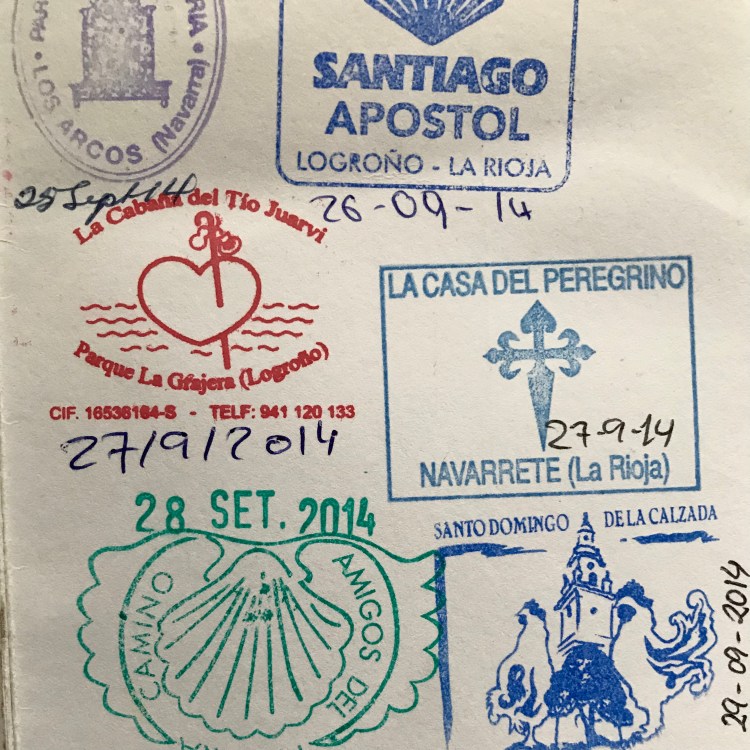
Life Lessons from Camino de Santiago
#5 Carry Only What You Need
When walking Camino with a pack on your back, the rule of thumb is to carry no more than 10% of your body weight. Always the smallest in any group, that was basically a toothbrush and a change of underwear. I pared down as much as I could, packing, rethinking, and repacking a dozen times before I was content with my kit, knowing I’d be rinsing out the socks every night. It still weighed in at 15 lbs, minus water and snacks.
Heavy as it was, what truly weighed me down wasn’t in my pack. In my pocket was a stone, smooth and round, that fit in the palm of my hand. I found myself turning it over and over, running my thumb over the surface as I walked, reaching for it when the grief overwhelmed me.
The stone was the physical representation of my burdens – the thoughts, memories, beliefs, loss, and grief I’d been carrying that held me back from moving forward.
There is a sacred spot on Camino where Cruz Fero, a large iron cross, stands in the middle of a mound of similar stones that had been placed over centuries – some large, some small, some plain, some painted with names or dates. It’s there the pilgrims stop, reflect on their journey to the cross, lay down their stone, and ask that their burdens be taken from them. This symbolic gesture enables the pilgrim to move forward with a light and hopeful heart.
We have a tendency as humans to carry things that no longer serve us. These can be physical objects we no longer have use for but still pack and haul from place to place as we move through our lives. They can be emotional – a broken heart, a past trauma, a limiting belief, or a painful memory that weight on our hearts and minds and keeps us from moving forward.
When you find yourself stuck, take a moment to consider what’s weighing you down, let go of what no longer serves, and carry only what you need. If you need to, lay a stone.
This moment is all there is.
Rumi
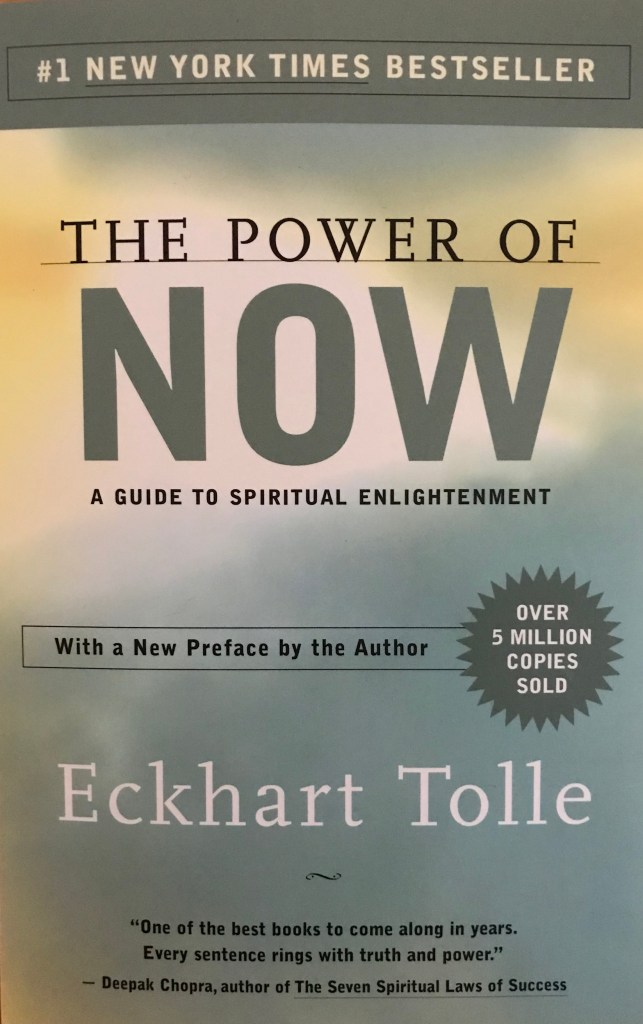
The Power of Now: A Guide to Spiritual Enlightenment by Eckhart Tolle
Where are you living right now? Are you rehashing events from the past? Are you day-dreaming of a better future? Or are you living in the Now?
Eckhart Tolle’s The Power of Now explores how the ego can prevent us from finding a deeper connection to ourselves and others. A combination of mindfulness and spirituality, The Power of Now proposes the key to enlightenment is found within ourselves and in living in the moment.
Tolle writes that our propensity to live in the illusion of time is the source of the stressors in our lives and provides a practice of returning to the moment in order to reconnect with out true selves and discover the peace we seek.
A sometimes challenging and often repetative read, Tolle’s bestseller is best suited to those already on the path to enlightenment and ready for the next step.
Thank you for visiting! If you’ve enjoyed what you read,
please like, share or join the conversation in the comments.
I’d love to get your feedback!
 JEANNE M WALSH COACHING